The KidsPACE Performing Arts Code of Practice
KidsPACE is building a community of passionate, proactive teachers, studio owners and organisations committed to giving every child a safe, joyful and age-appropriate experience of the performing arts. By challenging sexualised practices and setting clear standards to prevent harm, our industry can become a national model for child-safe, ethical creative education.
The KidsPACE Code is built around six commitments that guide everything from what children perform and wear, to how adults teach, lead and run their businesses. Aligned with the National Principles for Child Safe Organisations, and strengthened following review by the National Centre for Action on Child Sexual Abuse, the Code gives signatories a shared standard they can stand behind.
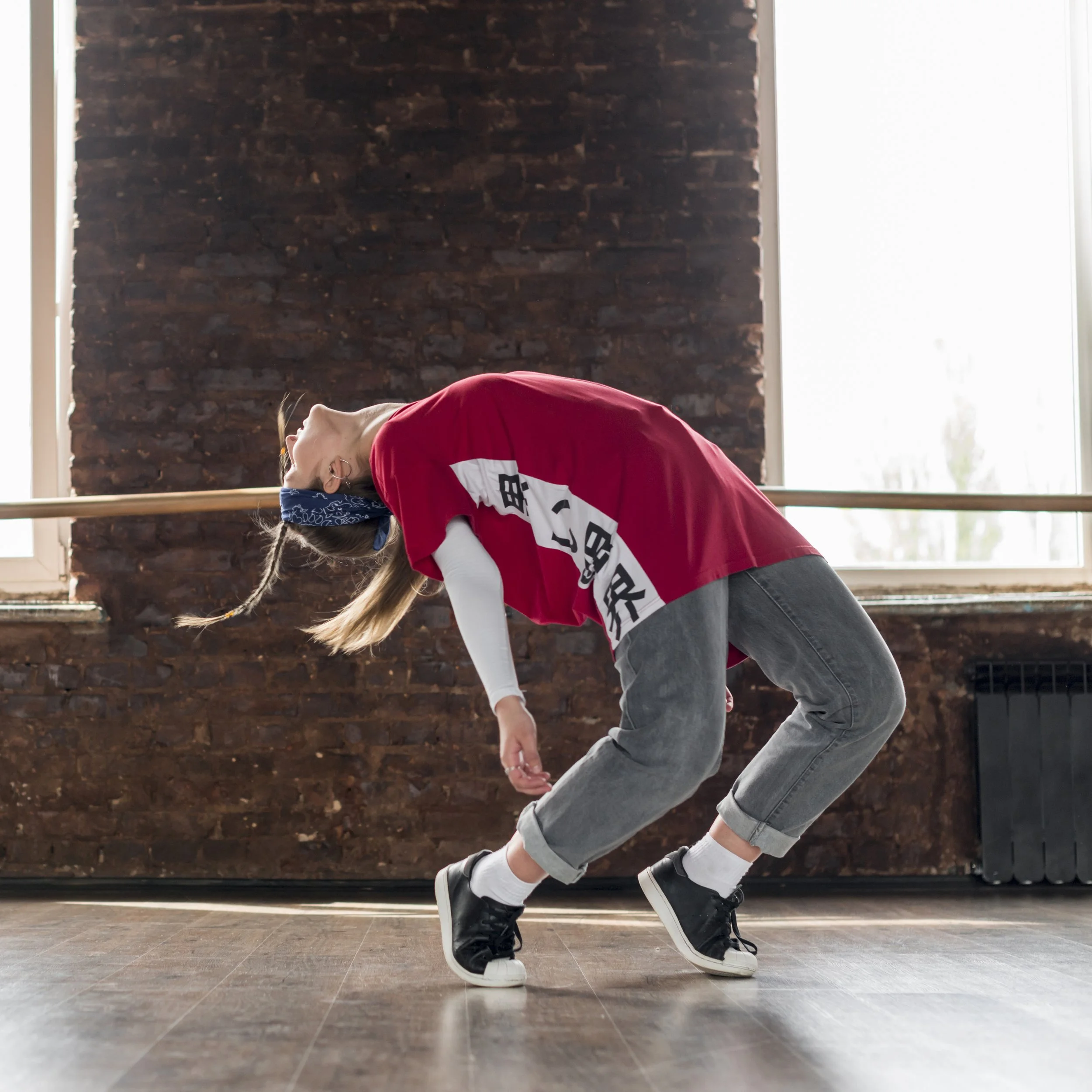
KidsPACE Code: The Six Commitments (At a Glance)
-
Choreography, staging, scripts, themes and music are chosen to nurture children's creativity, joy and confidence, and are always age-appropriate. Children are never directed to perform in sexualised ways, cast in sexual scenes, or asked to draw on personal trauma to create work. Students are invited to share their views, and are supported to speak up when something doesn't feel right.
-
Costumes, uniforms, styling and make-up are age-appropriate, comfortable and designed to support children's confidence. Lingerie-style or adult-coded costumes are not supplied, and coverage is considered alongside choreography. Students and families are asked how they feel about what children wear, and their preferences are respected.
-
Educators speak to children with respect, kindness and care, and never comment on their bodies, weight or appearance as a measure of success. Feedback from teachers, examiners and adjudicators is constructive and age-appropriate. Children are encouraged to ask questions and say no without fear of consequence.
-
Children are presented safely and age-appropriately in all promotion, photography and social media, with consent from both families and children themselves. Personal information is protected, and photography and filming at events are managed with clear policies. Educators communicate with students only through transparent, organisation-approved channels.
-
Studios, change rooms, rehearsals, performances, travel and home or online lessons are set up so that adults' interactions with children are always visible and supervised. Hands-on correction is used only when needed for technique or safety, is explained first, and students can always choose to decline. Educators maintain clear professional boundaries, including fair, transparent decisions about casting and opportunities, and staff are trained to recognise and respond to concerns, including harm between children.
-
Organisations embed child safety in their leadership, people and policies. Staff are screened, trained and appropriately qualified, and designated Child Safety Leads are known to children and families. Concerns are handled promptly and transparently, reported to authorities where required, and used to keep improving practice.
KidsPACE Code
Safeguarding Creative Childhoods