KidsPACE Code
Safeguarding Creative ChildhoodsWelcome to KidsPACE
KidsPACE (Protecting and Advancing Childhood in Education): a national commitment to safe, child-centred performing arts education.
From choreography, costuming and music to supervision, professional boundaries and online safety, the KidsPACE Performing Arts Code of Practice sets clear standards to prevent the sexualisation and abuse of children in dance, drama, musical theatre, singing and music. Grounded in research and informed by expertise across psychology, law, education and the arts, the Code is a commitment by studios, schools, educators and events to create environments where children can thrive: in the studio, on stage and online.
At its core, KidsPACE reflects a simple principle: that children deserve the time and space to grow, create, and experience childhood at their own pace. By becoming a signatory, you affirm that excellent teaching and children's safety go hand in hand.
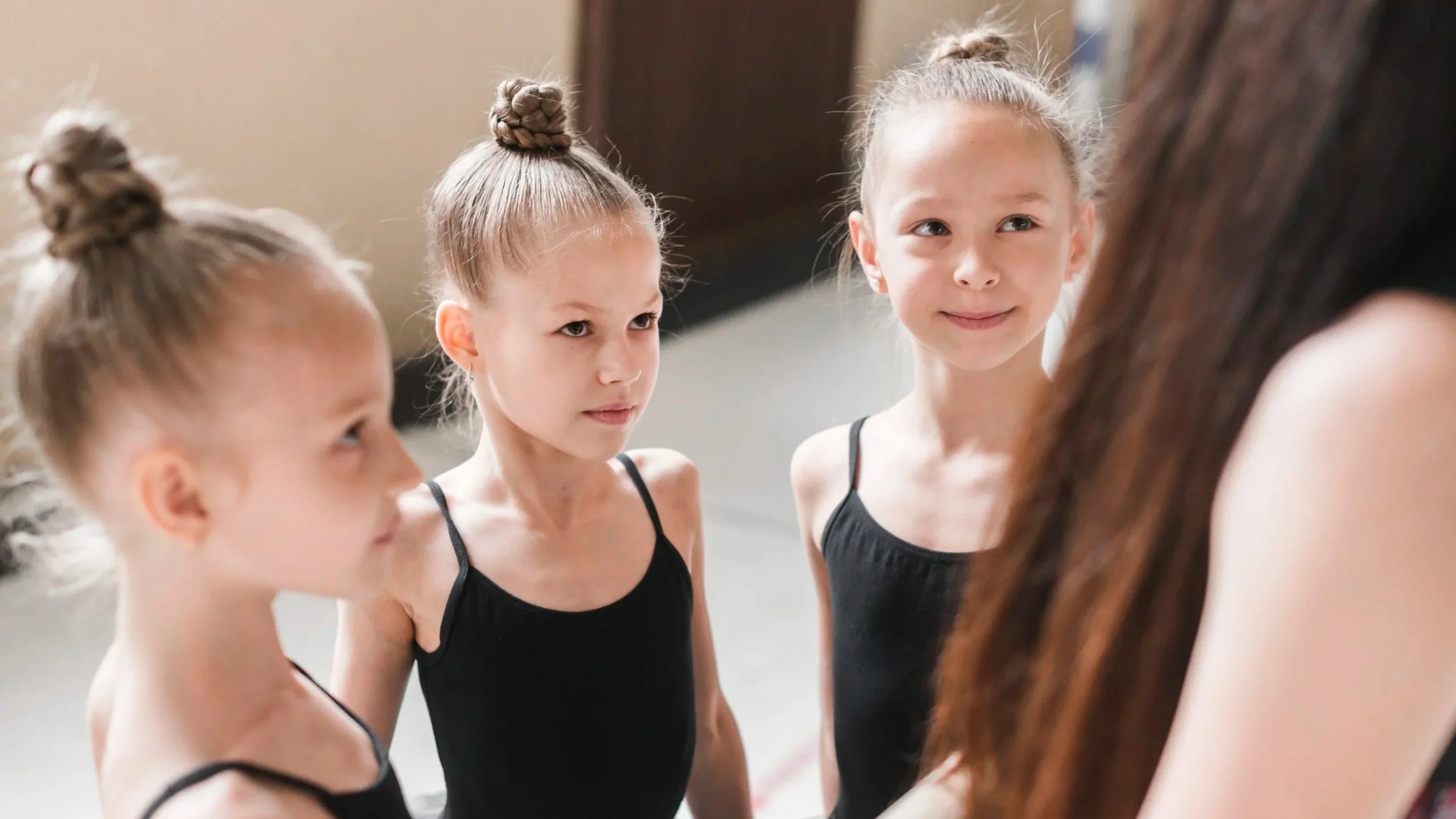
Around 620,000 Aussie kids take part in organised music, 464,500 in dance and 156,000 in drama
These figures don't fully represent preschoolers or teenagers aged 15–17, so the true number of children in performing arts is higher still.
Dance, Drama, Musical Theatre and more - the Performing Arts is inspiring this generation of children to unleash their gifts and physical capabilities whilst developing discipline, resilience, empathy, confidence, creativity, leadership and teamwork skills across thousands of businesses every day. As one of Australia’s most influential cultural activities, we must ensure our creative spaces are safe, age-appropriate, and preserving our children’s right to childhood.
Source: AusPlay (Dance 0-14yrs) | ABS, Cultural and Creative Activities, 2021–22 (5–14yrs)
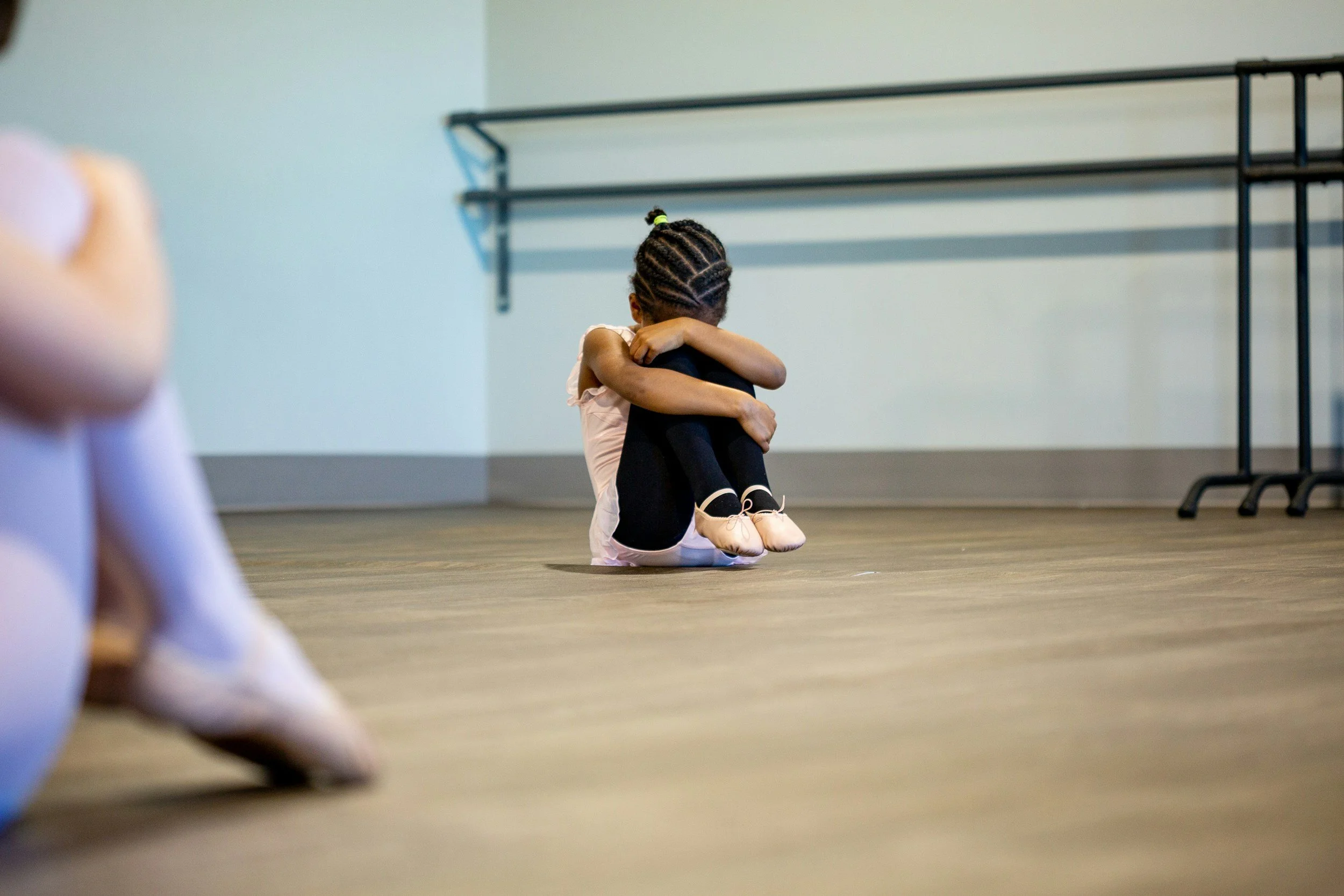
Childhood is intended to be a period of curiosity, play, and paced growth - but this season is narrowing.
Childhood is under unprecedented pressure:
1 in 4 Australian children experience sexual abuse before the age of 18, including 1 in 3 girls and 1 in 5 boys. (Australian Child Maltreatment Study, 2023)
More than half of young people aged 12–18 are dissatisfied with their appearance.
Rates of eating disorders have doubled among 10–19-year-olds in the last decade, costing Australia $67 billion a year in wellbeing and economic losses.
(The Butterfly Foundation)
Parents are seeing what the research shows. Children are facing adult pressures earlier: a sexualised culture, constant digital exposure, and growing pressure on how they look and who they are.
More than Performing Arts teachers; we are guardians of childhood, sparking creativity while protecting the early years that matter most.
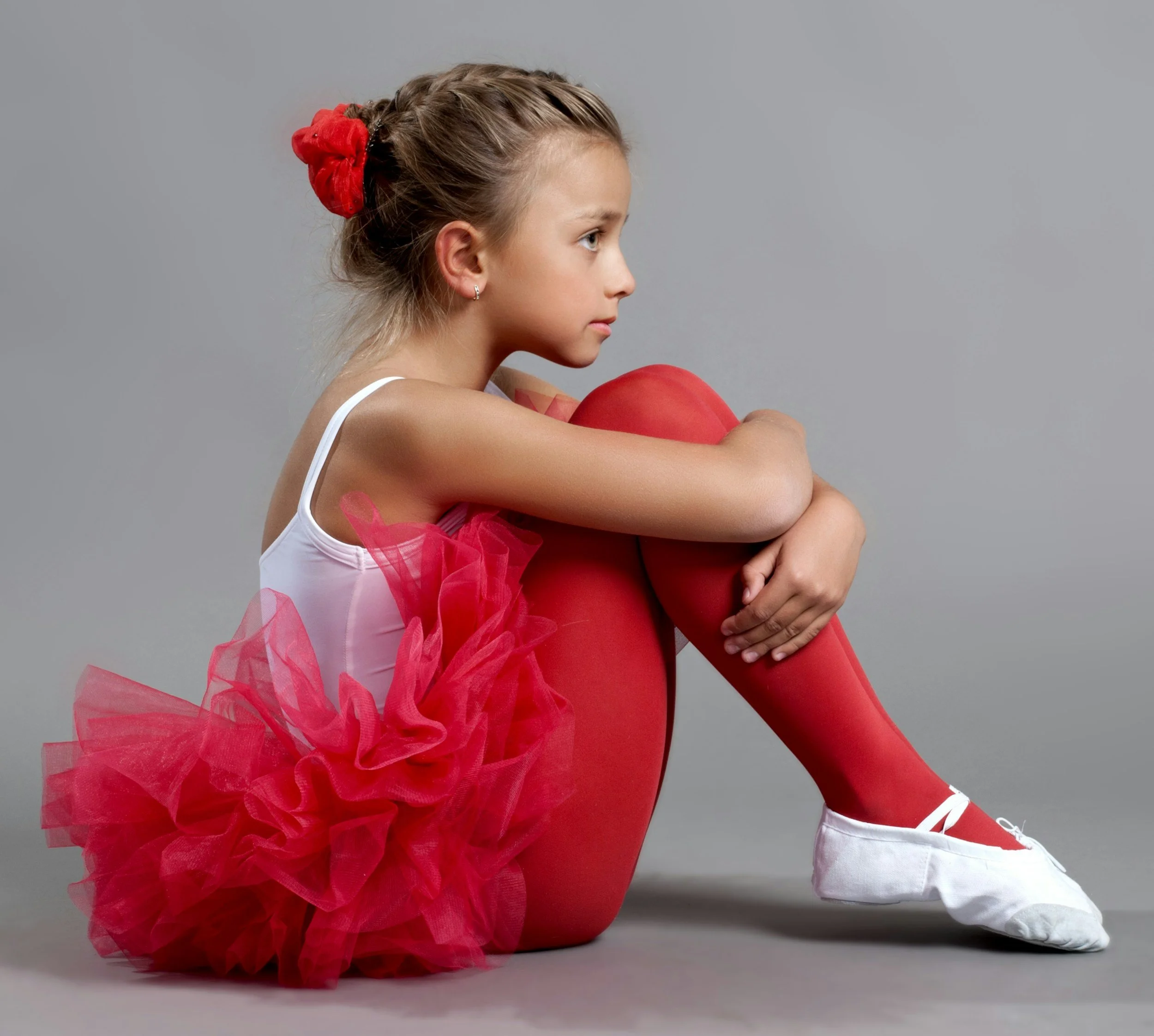
We are Raising the Standard
Of performing arts education, across everything that shapes a child's experience: how we teach, how we lead, how we run our businesses, and how we present children to the world. Grounded in research and supported by academics and industry leaders, KidsPACE challenges sexualised practices and harmful norms, and sets clear standards for ethical, child-safe practice in the studio, on stage and online. Its six commitments align with the National Principles for Child Safe Organisations and were recently strengthened following review by the National Centre for Action on Child Sexual Abuse.
Why this matters in the performing arts
Dance, drama, music and musical theatre are some of the most powerful places a child can grow. They shape how children see their bodies, their worth and their voice. When the content, costumes and conversations around them are age-appropriate, children gain confidence, creativity and a strong sense of self.
Performing arts education is a diverse and largely self-guided industry, built by passionate teachers and studios across the country. KidsPACE gives that industry something it has never had: a shared standard for keeping children safe, written by and for the performing arts.
From what children wear and perform, to how adults speak to them, supervise them and present them online, KidsPACE sets clear, practical standards so every creative space can be one where children feel safe, respected and free to be themselves.
Supported by
-
![]()
Dance Arts Alliance
-
![]()
NAPCAN
-
![]()
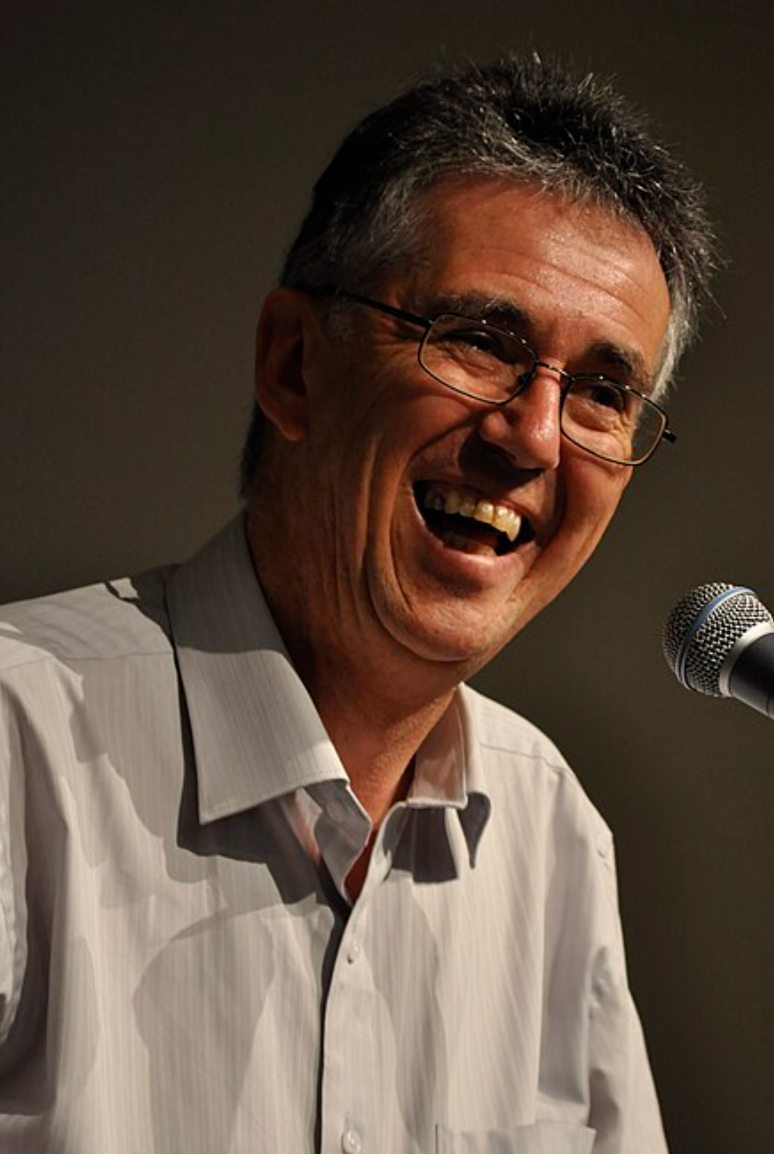
Steve Biddulph
-
![]()
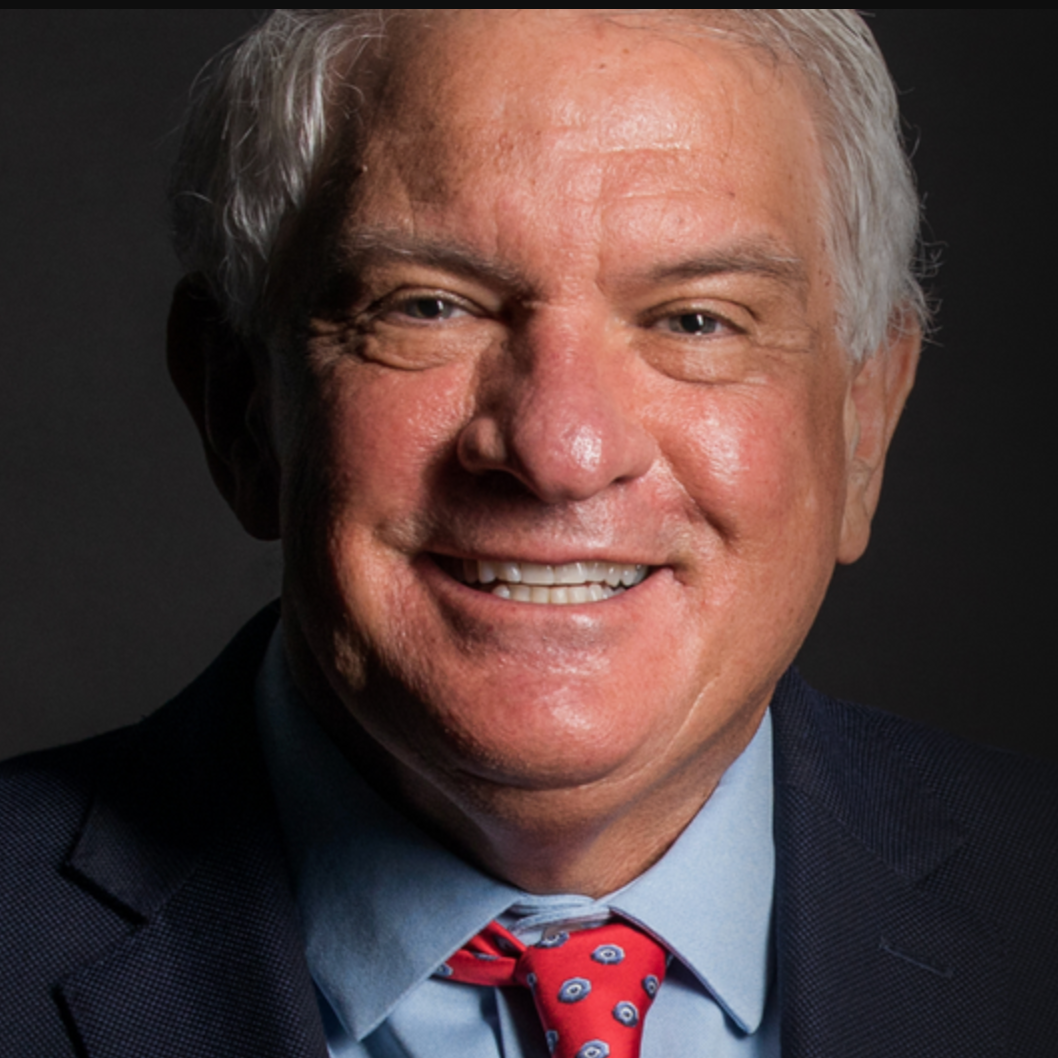
Dr Michael Carr-Gregg
-
![]()
Collective Shout